
Meta recently launched an AI-driven age validation system, which will help Meta limit the use of the flag Facebook and Instagram social platform for underage users. AI will scan photos and videos uploaded by users to identify “overall themes and visual clues” including height and bone structure to estimate the general age of users.

Meta emphasized in her blog: “The point of clarification is that this is not a face recognition technique. The system does not identify particular persons in the images. By combining these visual features with the analysis of texts and interactions, we can significantly improve the efficiency of our work in identifying and removing juvenile accounts.” Meta has been a source of controversy over face recognition in the past. Meta had to shut down the Facebook face recognition service completely in 2021 because of the strong opposition of the user to the automatic detection of the human face in the image (especially the photo tag function). As a result, Meta has repeatedly stressed that the new system does not collect facial ID data, but rather helps to predict the age of users by following common image trails. Meta indicated that the updated system would build on existing age testing measures, including the scanning of information on birthday events in user’s personal data and school grades.

Meta says: “We will look for information from various formats, such as posts, reviews, personal profiles or nicknames, and continue to expand this technology to Instagram Reels, Instagram Live and Facebook groups. If we determine that an account may be a minor, it will be closed, and the account holder will need to provide age proof through our age certification process to prevent the account number from being deleted.” Meta also simplified the account reporting function to facilitate the reporting of accounts held by suspected underage users. Meta indicated that it would also use AI to optimize the reporting process and improve measures to detect the creation of new accounts by banned users. Meta is under increased pressure to limit the use of applications by adolescents as the social constraints on adolescents in several countries around the globe increase.
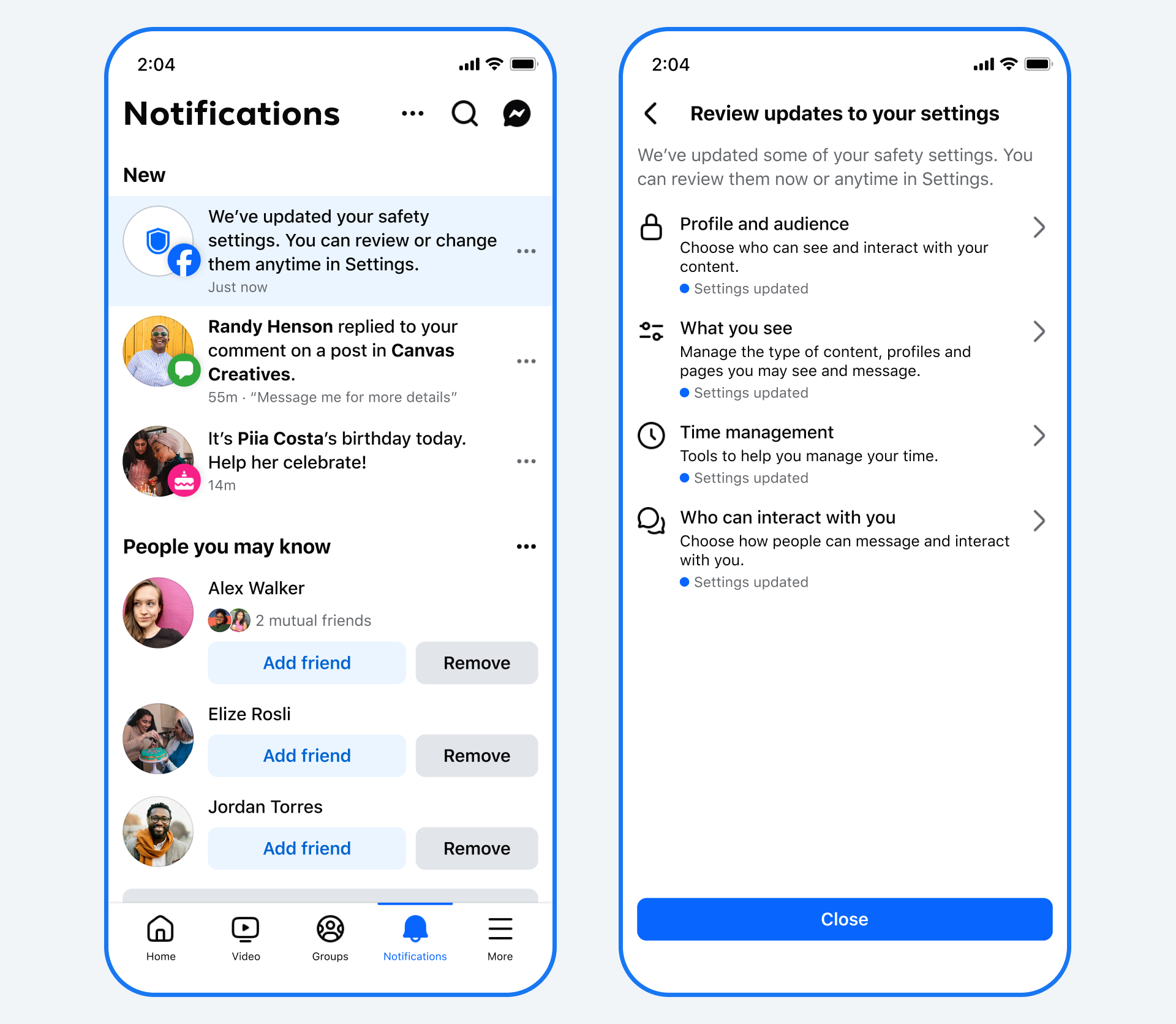
Last month, the European Commission published its preliminary findings on the measures taken by Meta to limit the use of its social applications by underage users. The Committee found that the current age validation and testing system in Meta was inadequate and failed to meet its obligations under the Digital Services Act. Earlier, the New Mexico jury in the United States ruled that Meta had misled users into believing in the security of its platform and had failed to fulfil its obligation to protect underage users, facing a $375 million fine. These specific cases, together with the broader promotion of adolescent social media restrictions, have put more pressure on Meta in particular to provide solutions. Even so, there is no perfect age-testing system, and no matter how many systems and tools Meta deploys, young digital original eco-users can always find ways to circumvent audits, making enforcement more difficult.
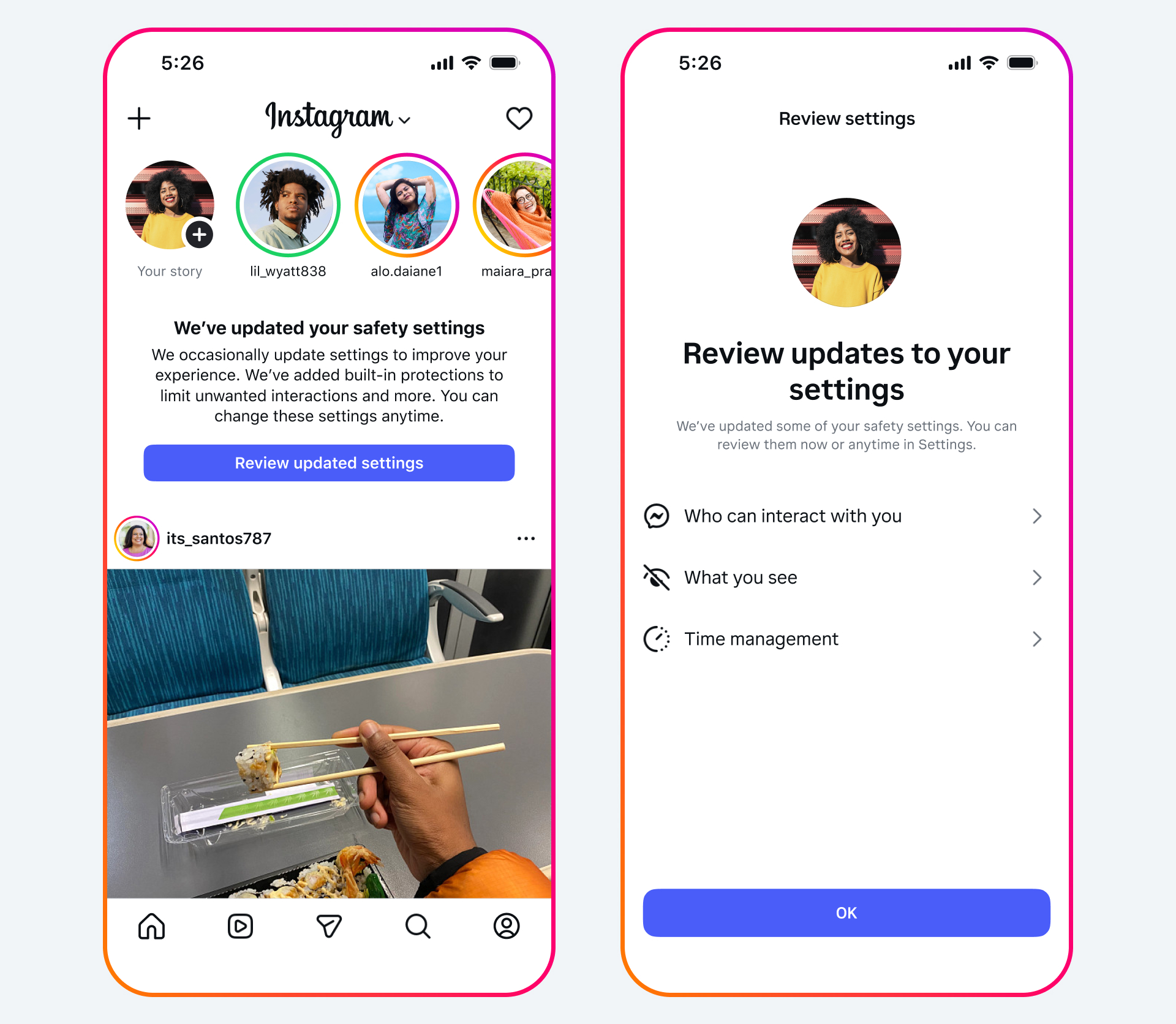
The youth circumvention strategy includes all means, from using virtual networks to drawing beards on their faces to deceiving age testing tools. This may be the reason why Meta is reluctant to put in place stronger and more legally binding measures to limit the use of minors, as Meta is well aware that she cannot guarantee it. Australia introduced a ban on the use of social media for minors under 16 last December, but surveys indicate that most underage users still have access to social media applications after the new regulations have been implemented. The report also found that despite increased penalties, the ban did not appear to have had a significant effect. The absence of age testing is perfect, but working with the platform to implement a range of measures, as well as investing in digital literacy education, could yield better results than a one-size-fits-all ban and simple and harsh punishment.
