
The Polish Ministry of Finance announced plans to raise the withholding tax on gambling proceeds from 10 per cent to 15 per cent from January 2026. Under the amendments to the Personal Income Tax Act, this tax provision applies to both domestic and foreign lottery income.
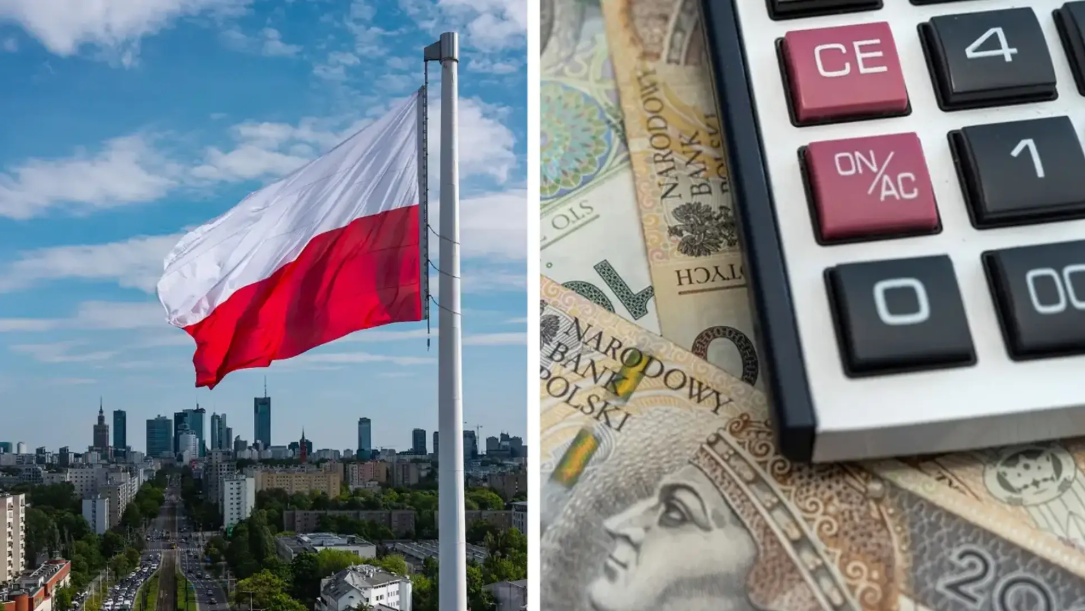
This adjustment covers all gaming activities such as lottery tickets, sports bets and casino games, and the tax will be extended to income from foreign and EU gaming platforms, which means that income obtained by Polish residents through cross-border gaming will be subject to tax obligations. According to the Ministry of Finance, this was a long overdue update of the reliance on the current tax system (the current 10 per cent lottery rate was established at that time) in 2001. Given the growth and diversification of the gaming industry, the Ministry of Finance believes that the tax structure must reflect the current market situation as it evolves. The reform was also identified as a behavioural taxation strategy aimed at curbing excessive gambling while increasing public financial revenues. The final draft of the bill is expected to be completed by the end of the year.

Poland already has one of the most stringent lotteries in Europe: operators are required to pay 12 per cent of the taxes on their sports investments and 50 per cent of the net income from tiger machines and table tours. In the case of players, the winning tax is automatically withheld by the licensed operator. Currently, the amount of the award below Euro520 is exempt, but this threshold may be adjusted. There is no clear mechanism for taxing revenue received from offshore operators. Legal experts and representatives of the gaming industry warned that higher tax rates could undermine the competitiveness of regulated platforms or push players to unlicensed or alternative platforms abroad. This year, the Netherlands has seen a decrease in tax revenues and a shift of players to the black market following an increase in the lottery tax.
