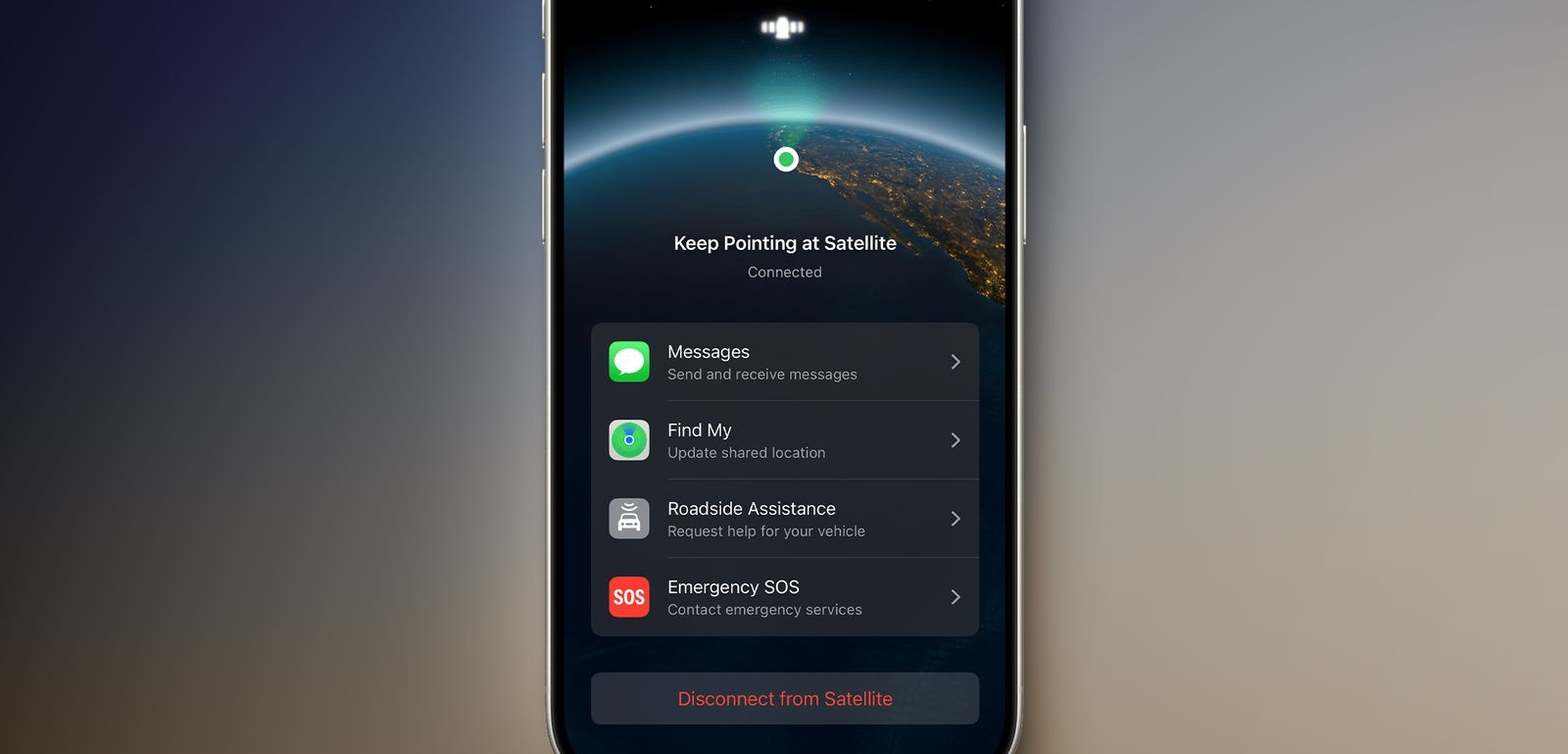
Apple is exploring ways to make the iPhone in the future more fully use the constellation of satellites in Earth orbit, and even to make the equipment available in the pocket. The current iPhone satellite communications function (emergency calls) has proved its value in a critical scenario, but Apple is determined to further expand the application boundaries of this technology.
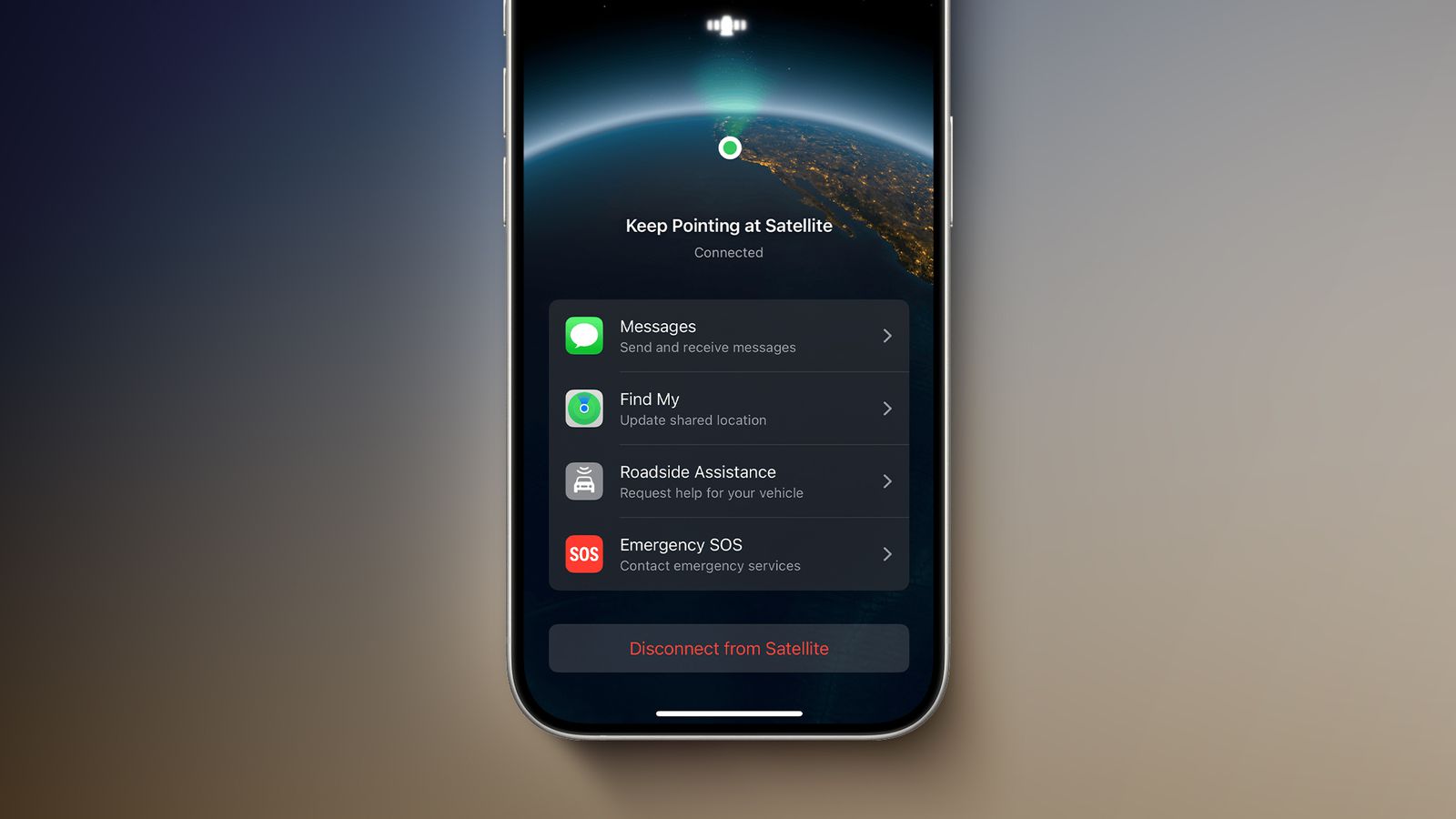
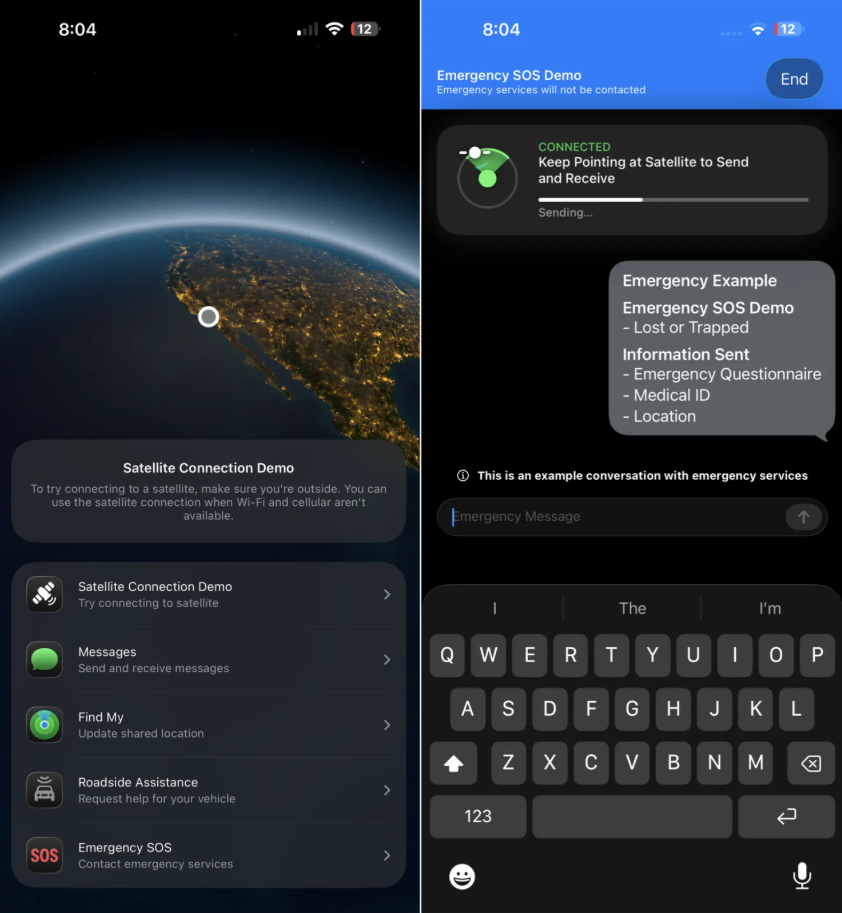
According to Bloomberg, Apple is developing a number of satellite-related functions, including open satellite access to third-party applications. It was understood that the plan would involve the creation of an API for the developers, but not all the Apple Self-Research Satellite functions would be open to the public. According to reports, the company is trying to increase photo transmission support to break the current text-only limitations. During the same period, it was also promoted to connect apple maps to the satellite network. While the map book is located by satellite, Bloomberg suggests that in the future it will be possible to send map data directly to users via satellite in offline status.
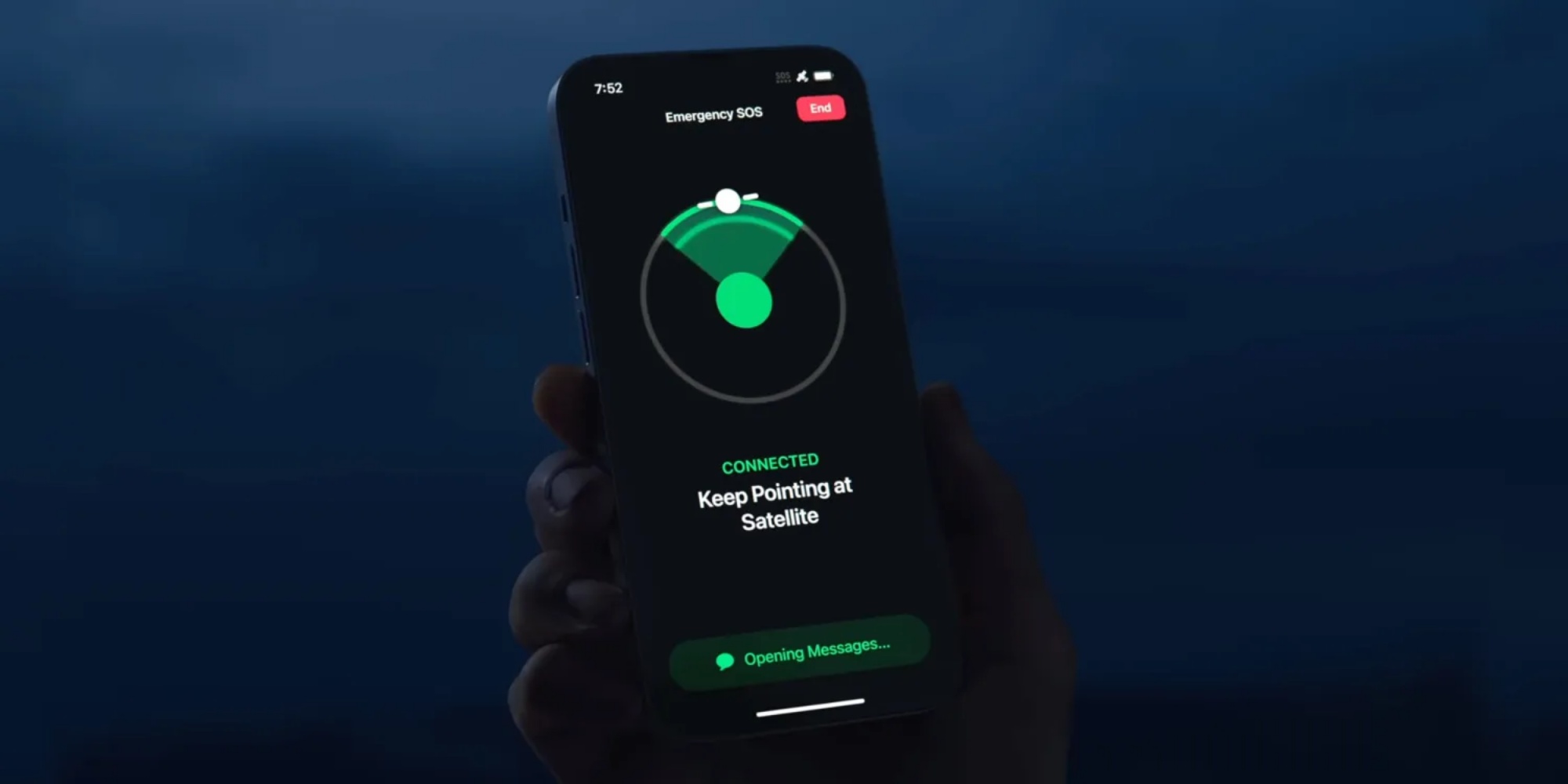
Connection experiences will also be optimized. Users are now required to adjust their mobile phones manually in an open area to target the satellite, while apples want to achieve a more “natural use” model whereby iPhone can also automatically connect to the satellite network in his pocket or car, without a specific posture. This enables various satellite functions to continue to operate without feeling. To support technological evolution, it is expected that the iPhone series in 2026 will provide broad support for 5G NTN (non-ground network) technology, in particular to achieve the coverage of cellular stations with extended equipment via satellite. The satellite functions in these plans continue the apples strategy of expanding non-beecom services. A prototype of non-emergency functions has emerged from the iOS 26 Developer Test Release, released as early as June, and “Accessing weather updates via satellite” will operate in a similar emergency rescue model, providing real-time meteorological data and early warning for footers, campers, mountain climbers and navigators in non-networked areas.
With regard to hardware support, Apple confirmed at the 9 September event that the iPhone 14/15 series of satellite services would continue to be provided free of charge for one year. In May 2025, with the release of iOS 18.5, all iPhone 13s were provided with satellite functions provided by the operator. Satellite connectivity will itself be upgraded. Although apples currently rely on the Globalstar aging satellite constellation, there are persistent reports within industry that their future may shift to cooperation with the chain of stars. Although Apple has invested $1.1 billion in Globalstar, rumours of the latter seeking buyers– – More likely buyers are SpaceX, the star-chain parent company, which allegedly wishes to avoid the regulatory pressure of becoming a telecommunications operator.
