
According to the Omdia report, the total number of active users (MUUs) in Asia ‘ s top five microtrip applications has reached 150 million. Over the past year, China ‘ s micro-syndicate companies have seen significant growth in this area, with platforms such as Dramabox, Goodshort, Reelshort and Shortmax providing 60-90-second drama series, which have been developing in the Philippines, Indonesia, Brazil and even the United States.
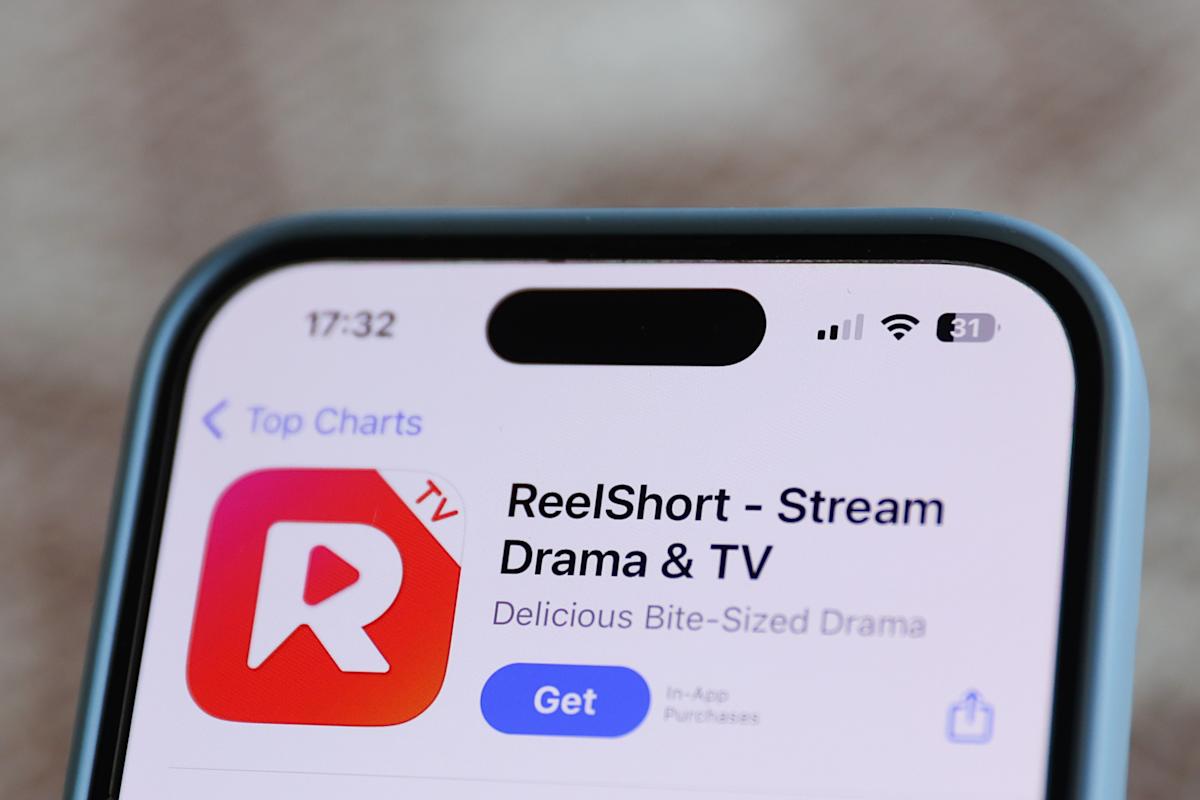
Data show that the income of the Dramabox app store increased by 2550 per cent over the same year, and the increase in Shortmax was as high as 3888 per cent. According to Omdia’s analysis of Sensor Tower data, income from applications in 84 Dramabox markets jumped from $8 million in 2023 to $217 million in 2024 and ReelShort from $36 million to $214 million over the same period.
In the context of the growing maturity of the Asian-flow media market, the microtrama became a key growth point with lower production costs and shorter production cycles. Some producers have started to introduce AI technology to maximize cost-effectiveness. However, it also raises concerns about content regulation: Last December, a byte beat-backed red fruit drama was asked to stop for a further five days for content review. As of February 2025, more than 130 short films of “violation of public order” had been written down.

China is one of the most visible markets for micro-short dramas, with three major mainstream media platforms already rolling out a vertical theatre at the mobile end, with models similar to the bankrupt Quibi platform. Omdia estimates that three fifths of China’s Internet users watch the micro-fellow, and the CNNIC report shows that the country’s short video users exceeded 1 billion in 2024, including 662 million. Platforms such as televised videos are encouraging creators to work with IP holders to provide chain-wide support from telecommunication cloud production tools to copyright protection.
Viddsee, the Singapore short play platform, also announced a microsphere plan for markets such as South-East Asia last October. Industry liquidity models are more flexible than traditional stream media: previous editions are usually free of charge, followed by a lock-out through advertising, subscription or single-sum payment. Users may also earn “appled tokens” to enhance viscosity by signing up on a daily basis and staying for five minutes.

Omdia predicts a dramatic increase in the package of video short-time advertising and telecommunications data bunding, such as Telkomsel, Indonesia, which launched the FlexTV bundle. Korea became another key growth market, with Tving and Watcha entering the game — local reports indicate that the share of short-term consumption rose from 58.1 per cent in 2023 to 70.7 per cent in 2024. The Sensor Tower data show that 20 per cent of the entertainment downloads of the TOP5 application in 2025 were micro-short dramas, and the industry MAU grew by 5848 per cent annually between the end of 2023 and the end of 2024.
More players are starting to set up: Nazara Technologies in India invested $3.57 million in reelSaga Innovations and Krafton, a Korean PUBG developer, invested $90 million in Spoonlabs, a short play platform operator in Vigloo.
