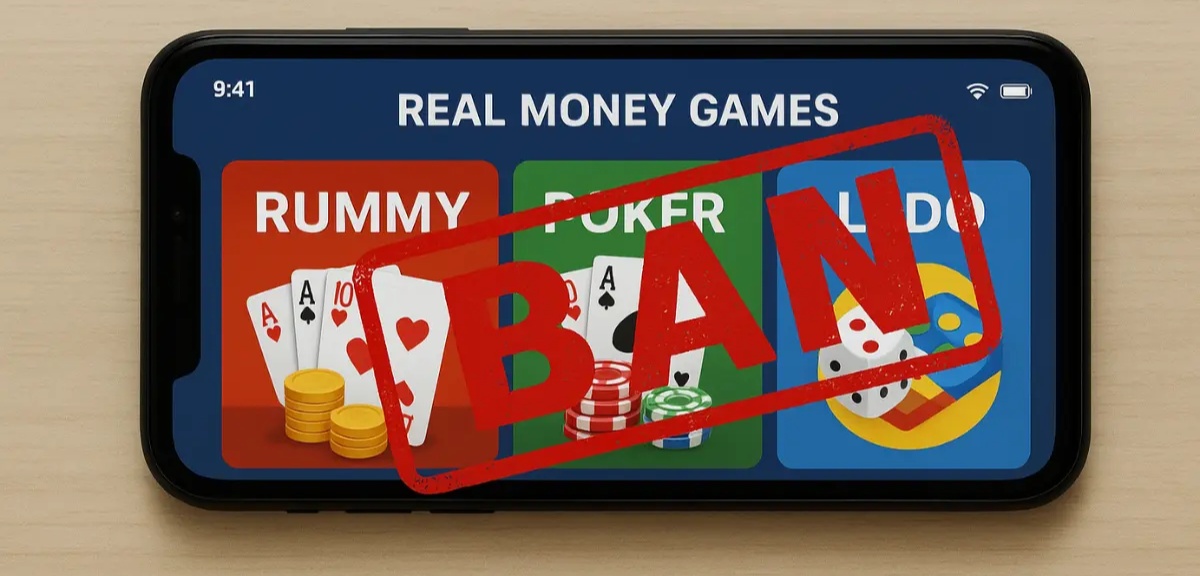
With the entry into force of the Indian Online Game Promotion and Regulation Act on 1 October 2025, the Indian game industry landscape has undergone significant changes. While the Act encourages the development of electronic competition, online gold games are banned.
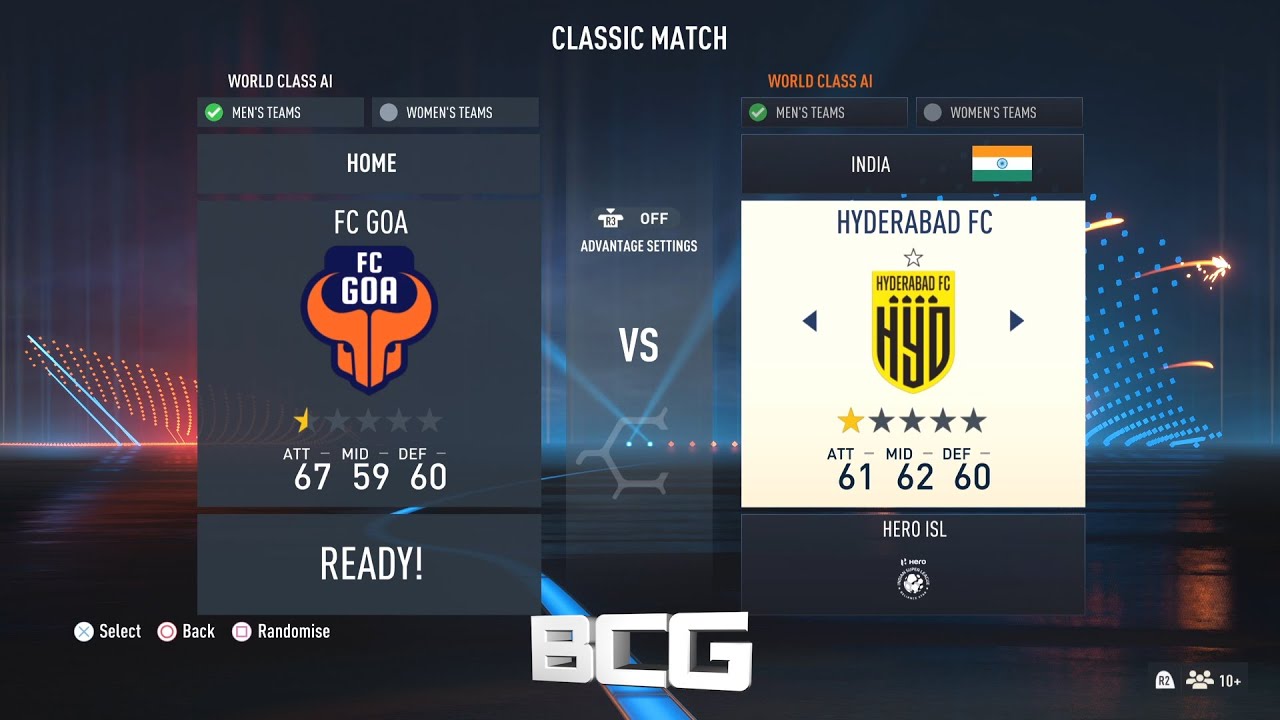
Understanding the impact of the Act requires, first of all, a clarification of the two main forces in the field of online games in India — the electronics game and the dream game. The Act defines electronic competition as an online game “as part of an integrated sports event” where teams or individuals are organized in a multi-person online format. This definition is based on the premise that the outcome of the competition must depend entirely on the “physical agility, mental flexibility, strategic thinking or other similar skills” of the participants. In FIFA 23, for example, the first week of the sale attracted 10.3 million players, who were required to manipulate the digital team with precision and to show the rhythm and tactical timing of a live football. Chess is also rejuvenated in the form of electronic competitions, where intuitives and computations compete between mouse clicks.
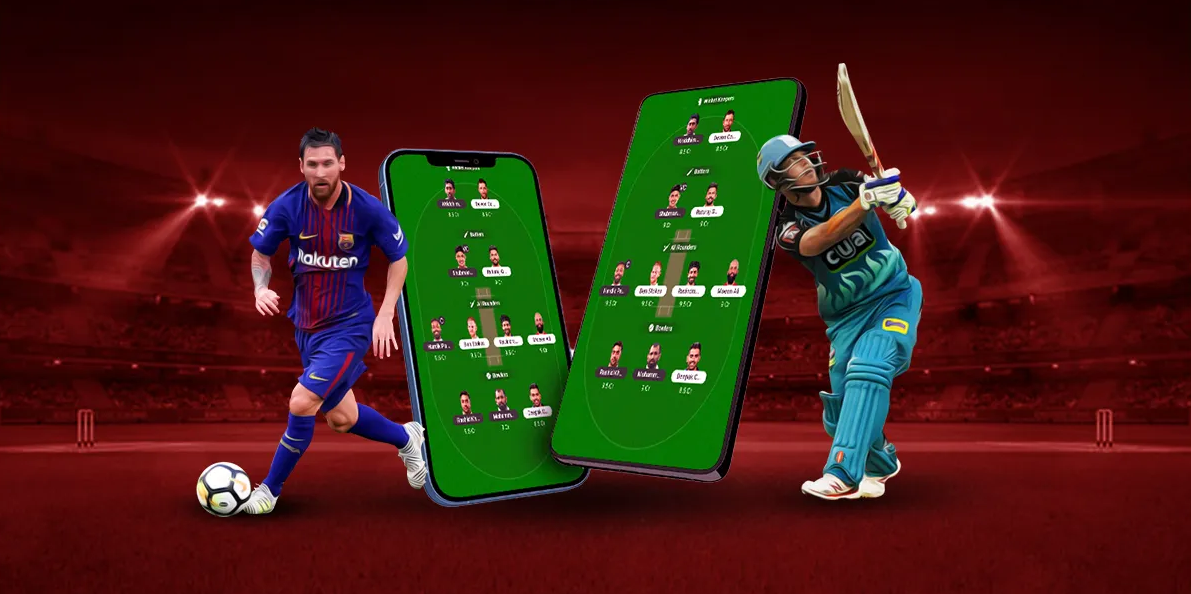
Although fantasy games are generally regarded as a game of luck, any player involved in fantasy alliances knows that they require a great deal of skill. In fact, the Punjab and Haryana State High Court of India, in “Varun Gumber v. Chandigarh Union Territory” in 2017, explicitly characterized these fantasy games as tactical. Of course, there is also a gold game of pure luck for money. Unlike electronic competition, the bet for such games depends on the probability of investment rather than the skill of throwing. However, the bill does not single out such games, but in an indiscriminate “one-size-fits-all” manner prohibits all genuine gold games, whether their results depend on skills, luck or both.

India has a unique global ban on all gold games, including skill games. The new law retains the distinction between skills and luck games in the real world, while wiping out the boundaries in the area of networking. Although the official interpretation of the ban was aimed at combating money-laundering and youth addiction, India was still a small group of countries with a total ban. In fact, recognizing the economic potential of the gold game, countries such as Brazil have rapidly deployed the industry, while Singapore and the United Kingdom have adopted more prudential regulation through licensing systems or the distinction between maintenance skills and luck games. Most European countries allow private licensed operators to operate online money games, with some limiting participation to State-owned entities. There is a strong case behind this — the real-gold game industry, as a rocking tree of the digital economy, not only creates billions of dollars in production, but also hundreds of thousands of high-paid jobs.
The judicial challenge to the statute has begun quietly and the Supreme Court of India is scheduled to sit in November 2025. Given that the real-gold Indian game market is valued at $3.7 billion and is expected to triple by 2029, some enterprises will introduce innovative solutions for compliance, while others will continue to push for legal protest. In any event, commercial participants would never be willing to be banned from “out of the game”.
